How to Find a Faux Christmas Tree That Actually Looks Real
Shopping for a faux Christmas tree? I’m sharing the best realistic artificial Christmas trees at a variety of price points, plus the features to look for before you buy.
Seven years ago, I found myself unexpectedly shopping for a new faux Christmas tree after a flood destroyed everything in our storage unit, including our holiday decorations. At the time, I decided to compare two very different options: a high-quality Balsam Hill tree and a more budget-friendly tree from Target.
I wanted to know if spending more on an artificial Christmas tree really made a difference and, more importantly, whether it was worth the higher price point.

Well, seven holiday seasons later, I can finally answer that question. We still use that same Balsam Hill tree every Christmas, I still love its realistic look, and I haven’t had to replace a single bulb! It has held up incredibly well year after year, which has taught me a lot about what’s actually worth looking for when shopping for a faux tree.
So, I figured it was time to give this old post a major update. Whether you’re looking for a high-quality tree that will last for years, a pre-lit option that makes decorating easier, or the best budget pick, I’m sharing what I’ve learned after years of owning and decorating artificial Christmas trees.
The Best Faux Christmas Trees
Artificial Christmas trees have come a long way, with options for just about every style, space, and price point. I rounded up six of my favorite finds, from budget-friendly options to incredibly realistic trees that look almost like the real thing.
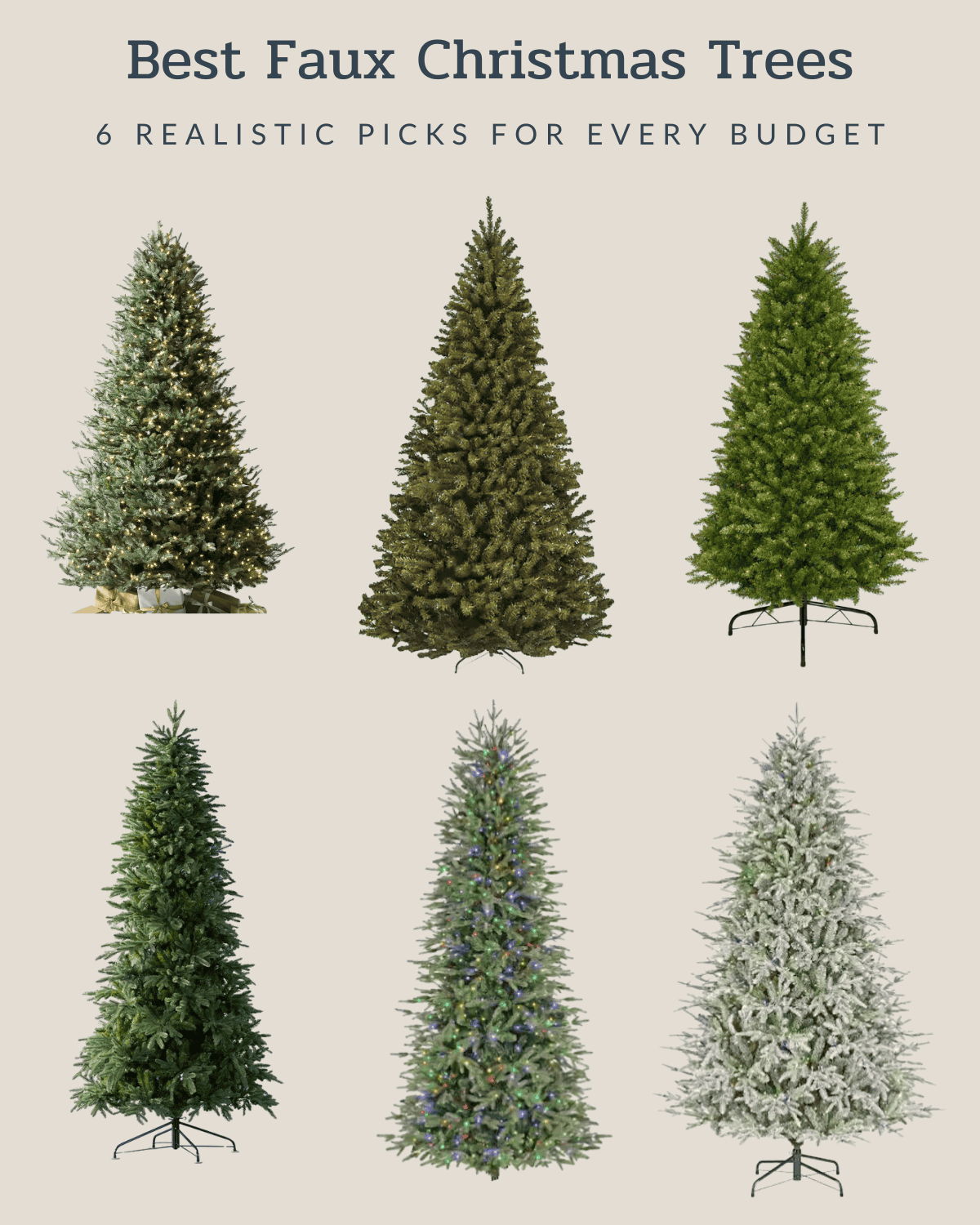
Best Overall: My Balsam Hill Tree
We’ve had this tree for seven years and still absolutely love it. It has a realistic, full look and comes in tons of sizes, with several lighting options and even a Flip Tree version for easier setup and storage. Definitely an investment, but ours has been worth it.
Best Budget: Best Choice Products Spruce
For a budget-friendly option, this tree gives you a classic, full Christmas tree look without the big price tag. It’s a great pick if you want a simple faux tree that you can make your own with lights and ornaments.
Most Realistic: King of Christmas Yorkshire Fir
I love the lush shape of this tree and the realistic variation in the branches. It gives you that classic real-tree look while still feeling polished and full.
Best Value: Pre-Lit Pacific Spruce Tree
This tree from At Home comes pre-lit with 500 warm white LED lights. It’s a great middle ground if you want an elevated look without the premium price tag.
Best Slim: Jackson Noble Fir
This is a great option when you want a full-height tree without the huge footprint. At 7.5 feet tall, it still makes a statement, but the slimmer shape works well in smaller living rooms or tighter spaces.
Best Flocked: Grand Duchess Twinkling Balsam Fir
If you love that snow-covered look, this flocked tree is a showstopper. It has a full shape, tons of twinkling lights, and smart controls so you can customize the lights right from your phone.
What to Look for When Buying an Artificial Christmas Tree

After owning several fake Christmas trees over the years, I’ve learned that height is only one piece of the puzzle. The type of needles, overall shape, number of lights, width, and even how the tree is stored can make a big difference in how it looks and how easy it is to use year after year.
Start with the Right Height and Width

Before you fall in love with a tree online, measure your space! Start with your ceiling height, but don’t forget to account for your tree stand and tree topper. For standard 8-foot ceilings, a 7- or 7.5-foot tree is usually a good place to start (that’s what we have!), while rooms with high ceilings give you more flexibility.
Width matters just as much. A full tree can easily be 50 to 60 inches wide, which may be perfect in a large living room but overwhelming in smaller spaces. If floor space is tight, look for a tree with a slim profile or narrow silhouette.
Check the actual dimensions instead of relying on words like “full”, “slim”, or “pencil.” Two trees of the same height can have completely different footprints.
Look Closely at the Needles
One of the biggest differences between a basic fake tree and a more realistic tree is the needles.
Many budget-friendly artificial trees use PVC needles, which are flat pieces of material cut to resemble pine needles. They can create a nice, full look, but up close, they generally don’t look quite like a real Christmas tree.
Higher-quality trees often incorporate molded tips designed to mimic real branches. These more realistic needles have dimension, texture, and variations in color that help create a much more natural look.
You’ll also find plenty of trees that use a combination of realistic molded tips on the exterior branches and PVC tips closer to the center pole. I think this can be a great middle ground if you want a realistic look without jumping to the highest price point.
Consider the Overall Shape
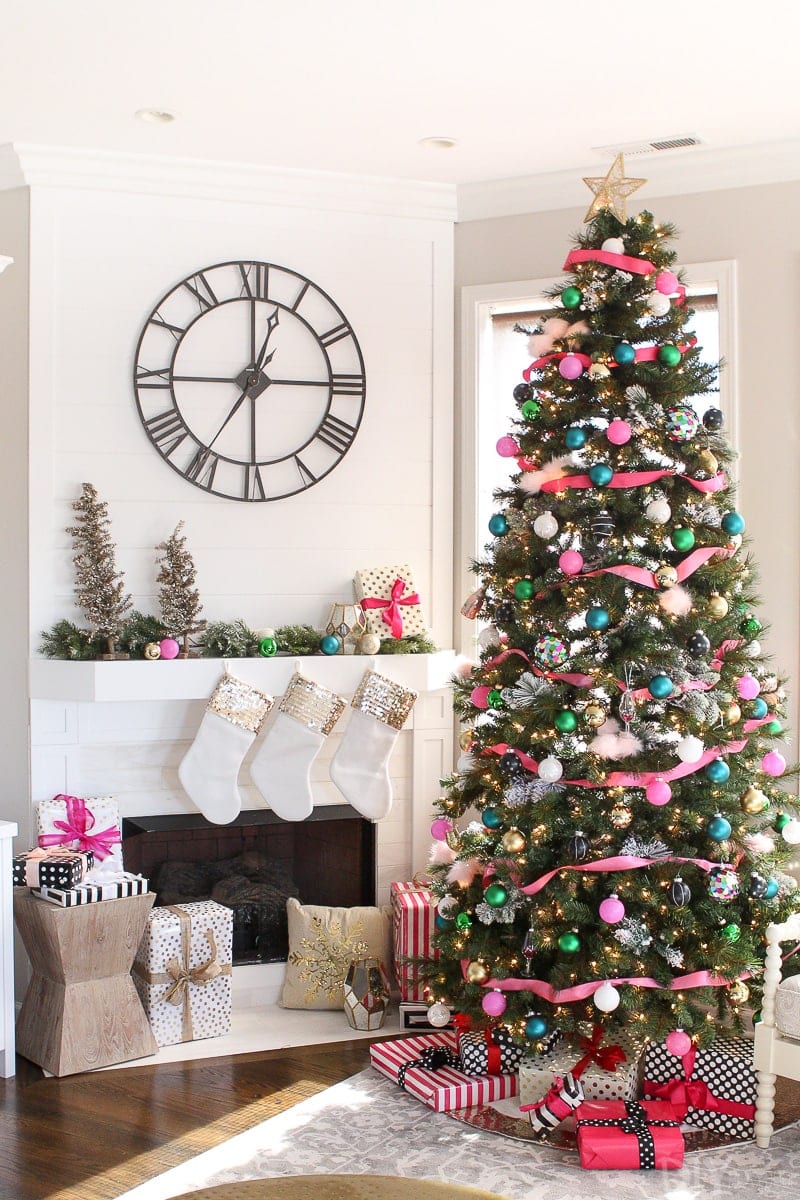
Don’t assume the fullest tree is automatically the most realistic. Think about the type of tree you naturally gravitate toward.
Some artificial Christmas trees have a very full, symmetrical silhouette, while others have more space between the branches and look like something you might actually bring home from a tree farm. Neither is better. It really comes down to the look you want in your home.
The branch structure is important, too, especially if you decorate with lots of heavy ornaments. You want sturdy branches that can hold their shape once the tree is fully decorated.
Decide Between a Pre-Lit or Unlit Tree

I’m firmly in the pre-lit tree camp because I love the convenience of having the lights built in. There’s no untangling strands of lights every Christmas season, and once the sections of the tree are connected, you’re pretty much ready to start decorating.
When comparing pre-lit artificial Christmas trees, look beyond whether the tree simply has lights. Check the light count, color, and available settings. I prefer warm white lights for that classic glow, but many newer trees offer different light settings and the option to switch between clear and colorful lights.
An unlit tree does give you more flexibility. You can add your own lights, change the look from year to year, and you don’t have to worry about built-in lights eventually going out. For me, though, the convenience of a pre-lit tree wins every time.
Think About Setup and Fluffing

Most artificial trees come in several sections that stack onto a center pole, so the actual assembly is usually pretty straightforward. Where you’ll spend more time is the fluffing process.
No matter how beautiful a tree looks online, it probably won’t look that way right out of the box or storage bag! Separating and shaping the branches takes some extra effort, but it makes a huge difference in creating a full, natural look.
Don’t Forget About Storage
This is one of those things you might not think about when shopping for a new tree, but you’ll deal with it for most of the year!
Check whether the tree comes with an included storage bag and how many pieces it breaks down into. Our Balsam Hill tree came with separate storage bags, which makes it much easier to carry and store than trying to wrestle an entire full tree into one enormous bag.
I’d also consider where the tree will live during the off-season before choosing its size. A beautiful 9-foot tree may look perfect in a room with high ceilings, but those large sections still need somewhere to go for the other eleven months of the year.
My Original Faux Christmas Tree Comparison

When I first wrote this post in 2019, I had the opportunity to put two very different faux Christmas trees to the test. I compared a 7.5-foot Balsam Hill Balsam Fir with a 7.5-foot pre-lit tree from Target to see whether I could actually tell a difference between a higher-end artificial tree and a more budget-friendly option.
And yes, I could!
Setup and Fluffing

Both trees were easy to assemble and came with a tree stand. Each tree had several sections that stacked together, so I had them both standing within a few minutes. The bigger difference came when it was time to fluff the branches.
The Balsam Hill tree looked surprisingly full right out of the box. I spent about ten minutes separating and shaping the branches to get the full look I wanted. The Target tree needed quite a bit more work. Its branches were more compressed when it arrived, and I spent closer to twenty minutes fluffing and filling in the gaps.
Which Tree Looked More Realistic?
This was where I noticed the biggest difference between the two trees.

The Balsam Hill tree had much more variation in the branches. Instead of every needle being the exact same shade of green, there were different tones of green along with light brown stems. The needles themselves also had more dimension and were molded from real Balsam Fir branches, which gave the tree a much more realistic look.

The Target tree had the type of PVC needles I was more familiar with at the time. They were a uniform dark green with a flatter, more plastic-like texture. On its own, I thought it was a perfectly nice fake tree. But seeing the two side by side made the difference in quality and realism much more noticeable.
Comparing the Pre-Lit Trees

Both trees were pre-lit, but again, there was a noticeable difference. My Balsam Hill tree came with 900 warm LED lights, while the Target tree had 500 clear incandescent lights. I especially liked that the LEDs on the Balsam Hill tree had a warm, candlelight appearance instead of the cooler blue tone I sometimes associate with LEDs.

The Balsam Hill tree also came with a foot pedal for turning the lights on and off. The Target tree had a traditional plug.

Seven Years Later: Is My Balsam Hill Tree Worth It?

When I originally wrote this post, the biggest hesitation I had about the Balsam Hill tree was the price. It was a significant investment compared to the other artificial Christmas trees I had owned. I mean almost $1k for a tree?!
Seven years later, I can confidently say it was worth it for us.
We still use this exact same Balsam Hill tree every Christmas, and it has held up incredibly well. The branches still look full and realistic, the tree itself is in great shape, and, maybe most impressively, I haven’t had to replace a single bulb. After seven years of setting it up, decorating it, taking it down, and storing it, all of the built-in lights still work.

I also still love the realistic look. Once it’s fluffed and decorated, the variation in the needles and branches gives it a much more natural look than the fake Christmas trees I owned before it. I’ve never found myself wishing I had chosen a different tree or wanting to replace it with something newer.
Does that mean you need to spend a lot of money to get a beautiful tree? Definitely not. There are so many good options available at different price points now, which is why I included my picks above. But if you know you prefer an artificial tree over a real tree and plan to use it year after year, I do think investing in the best quality you can comfortably afford can be a good value over time.
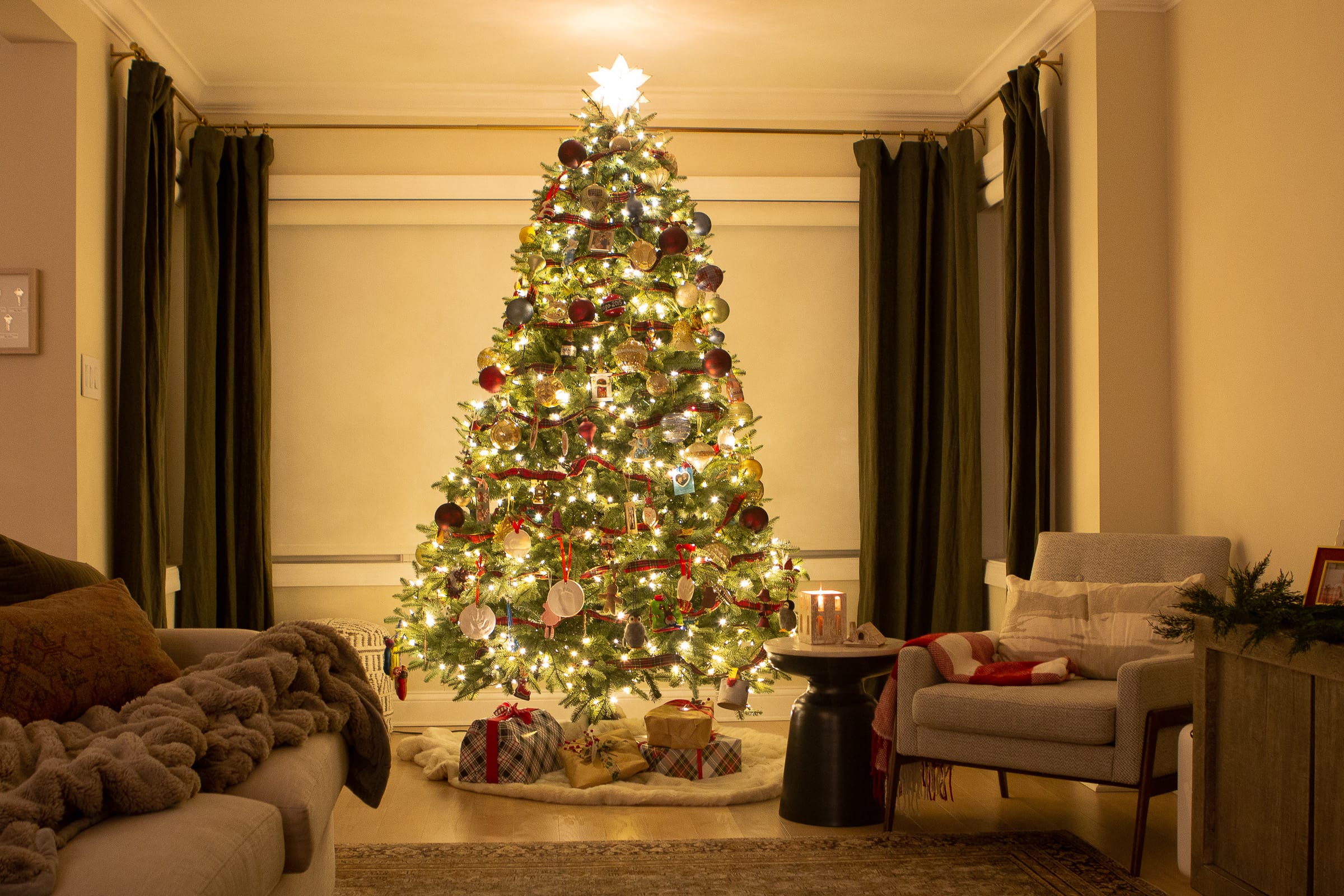
I hope this helps you narrow down your options and find a tree you’ll love pulling out year after year. And if you have a faux Christmas tree you absolutely love, let me know in the comments. I’m always curious which ones have held up well in other homes!
Casey