
First-Time Homeowner Checklist: What To Do After Moving
Moving into a new home is exciting, but it can also feel overwhelming trying to figure out what to do first. This first-time homeowner checklist walks you through exactly what to do after moving into your first home so you can tackle the first 30 days with confidence.
When we purchased our home in 2019, we went from a small two-bedroom condo to a full house with a yard, a garage, multiple floors, and even two furnaces. It felt exciting, but also incredibly overwhelming. There were so many things to keep track of, and I remember thinking, “Where do I even start?“
Looking back, I really wish I had a simple first-time homeowner checklist like this. That’s actually a big part of why I wrote Your Home Playbook (coming January 2027), which walks you through exactly what to do, month by month, to stay on top of your home.
But those first 30 days are their own thing—they matter so much, and there are a handful of essential tasks you don’t want to miss.
This guide focuses on exactly that. Not the fun, design-forward projects like a kitchen renovation or backyard makeover, but the behind-the-scenes things that set your home up properly from the start. From changing your locks to getting everything cleaned and checked, these are the small, but important, steps that will give you peace of mind and help you settle in the right way. Think of this as your go-to new homeowner checklist for those first few weeks.
First-Time Homeowner Checklist (Quick Overview)
If you’re short on time, here’s a quick look at the most important things to do after moving into a new home. I break each of these down, step-by-step, below so you can tackle them over your first 30 days.
- Change the locks on all exterior doors
- Test smoke detectors and carbon monoxide detectors
- Locate your water, gas, and electrical shut-offs
- Replace HVAC filters and check your HVAC system
- Set up utilities and transfer them into your name
- Update your address across all accounts
- Deep clean cabinets, drawers, and surfaces
- Clean key appliances (dishwasher, oven, fridge, washer/dryer)
- Clean your refrigerator coils
- Clean your range hood filter
- Clean bathroom exhaust fans
- Vacuum and mop the entire home for a clean slate
- Schedule carpet cleaning or pest control (if needed)
- Check for leaks and signs of water damage
- Patch nail holes and repair wall damage
- Check and repair caulk (kitchen + bathrooms)
- Inspect windows and doors for drafts or gaps
- Tighten hardware, fixtures, and light fixtures
- Start a running list of small home repairs
- Start noticing how you use your home, day-to-day
- Keep a running list of future home projects
- Start gathering important home information (appliances, paint colors, contacts)
- Give yourself permission to wait on big projects
Week 1: Safety + Must-Do Tasks
Before you dive into unpacking and making your new place feel like home, there are a few essential things to take care of right away. These are the tasks that keep your home safe, functional, and in good shape from Day One.
Change the Locks
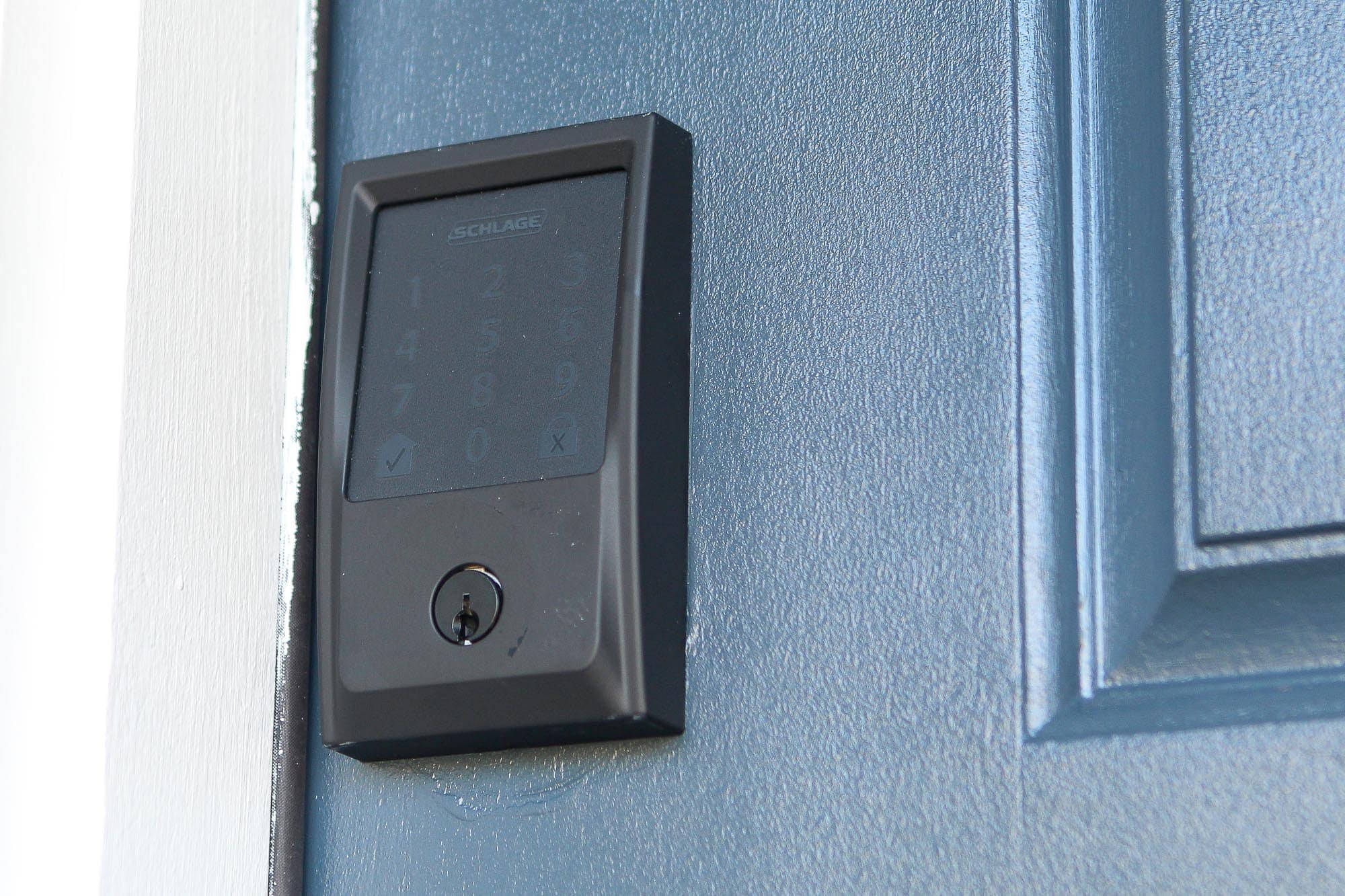
This is always the first thing I recommend. You never know who the previous owners gave keys to—neighbors, contractors, friends—so it’s worth starting fresh.
When we moved into our home, we swapped our front door lock for a keypad lock, and I cannot recommend it enough. Not having to carry keys (or worry about locking yourself out) is such a game changer.
Test Smoke and Carbon Monoxide Detectors
Make sure all smoke detectors and carbon monoxide detectors are working properly. Replace batteries, if needed, and test each one before your first night in the house. It’s a quick task that gives you instant peace of mind.
Locate Your Water, Gas, and Electrical Shut-Offs

This might not feel urgent…until it is. Take a few minutes to locate your main water shut-off valve, gas line, and electrical panel so you’re not scrambling during an emergency.
I have a full shutoff guide that walks you through exactly where to find everything. These are part of your home’s essential systems, and knowing where they are is one of the most important things you can do as a new homeowner.
Replace HVAC Filters
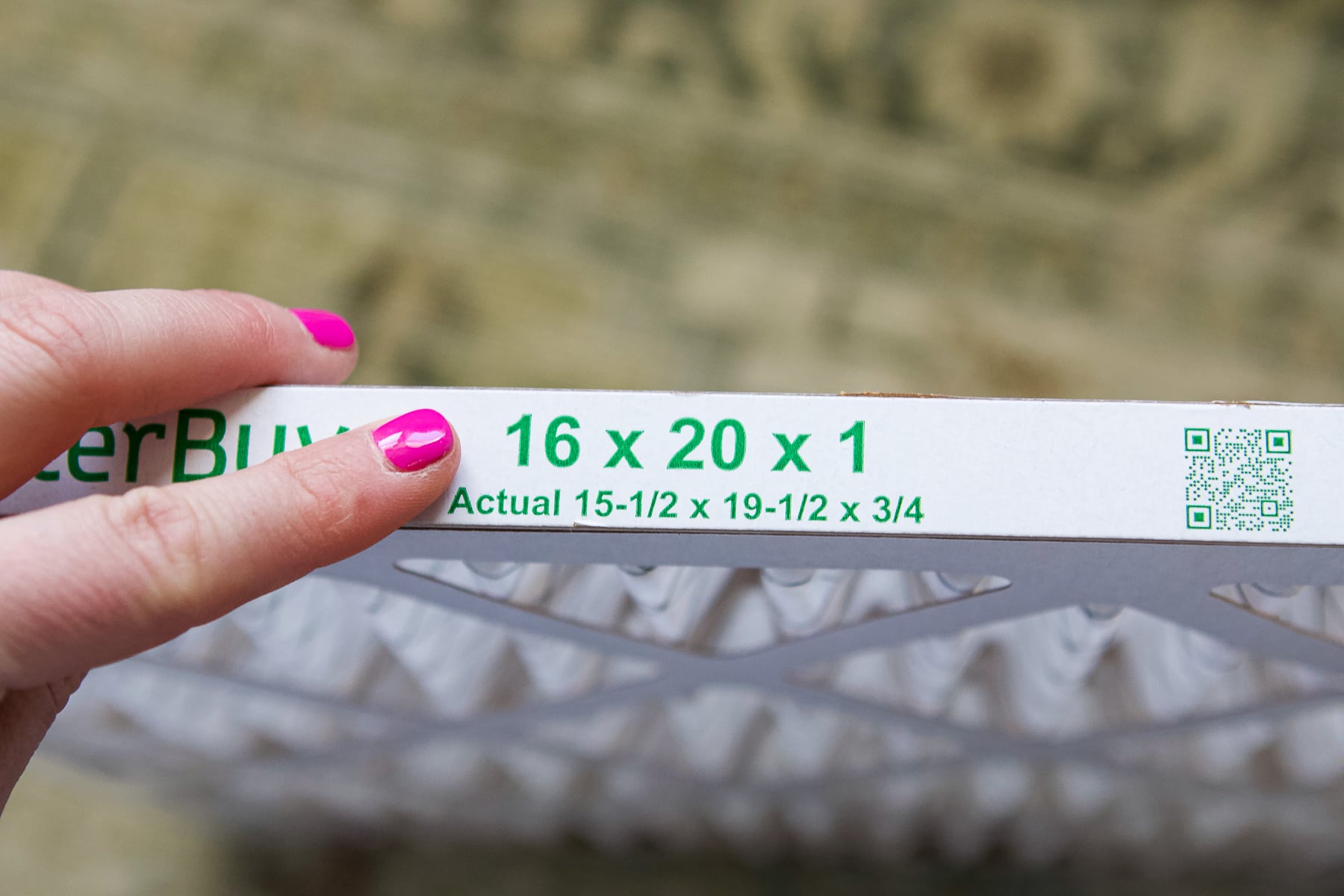
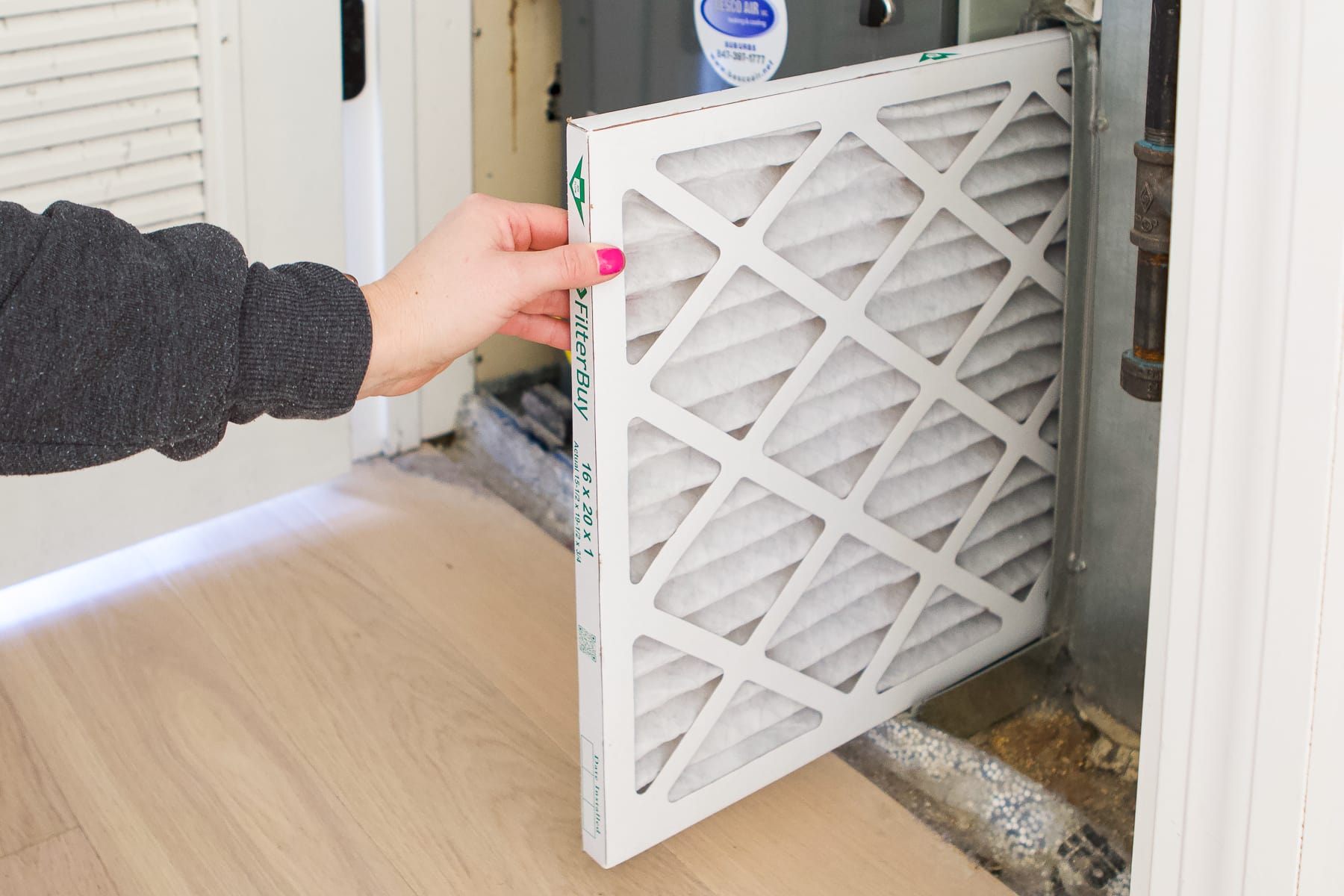
Start fresh by replacing your HVAC filters right away. It’s one of the easiest home maintenance tasks you can do, and it makes a big difference in both air quality and how efficiently your system runs.
If you’ve never done it before, I have a super simple step-by-step tutorial that shows you exactly how to swap out your HVAC filters.
Check for Leaks and Water Damage
Walk through your home and look under sinks, around toilets, and near appliances for any signs of leaks or water damage. Catching issues early can save you from much bigger and more expensive problems later.
Set Up Utilities and Update Your Address

Make sure all utilities are set up and running smoothly—ideally before or right after move-in day—and confirm you’ve transferred utilities into your name. Then, update your new address with banks, credit card companies, insurance policies, and any important accounts so nothing slips through the cracks.
These aren’t the most exciting tasks, but getting them done early sets the foundation for everything else.
Week 2: Deep Clean + Reset

Now that the safety basics are handled, this is your chance to give your home a true fresh start. Even if the previous owners cleaned before leaving, I always recommend going a step further so you know everything is done the right way.
Deep Clean Cabinets, Drawers, and Surfaces
Wipe down all cabinets, drawers, and surfaces—especially in the kitchen and bathrooms. It’s a little tedious, but it makes such a difference knowing everything is clean before you fully unpack.
Clean Your Appliances

This is the perfect time to reset your appliances so you’re not inheriting built-up grime from the previous owners.
- Clean your dishwasher
- Clean your oven and stovetop
- Clean your refrigerator and freezer
- Clean your washing machine and clean out your dryer vent
I have step-by-step tutorials for each of these, so if you’re not sure where to start, you can follow along and tackle them one at a time.
Clean Refrigerator Coils

This is one of those behind-the-scenes tasks that most people don’t think about, but it matters. Cleaning your refrigerator coils helps your fridge run more efficiently and can extend its lifespan.
Clean Your Range Hood Filter

Range hood filters can get really greasy over time, especially if the previous owners cooked a lot. Giving it a good clean right away helps with both air quality and performance.
I walk through exactly how to clean your range hood filter in this post, and it’s surprisingly simple.
Clean Bathroom Exhaust Fans

Bathroom exhaust fans collect dust quickly, which can lead to moisture issues if they aren’t working properly. Take a few minutes to vacuum and clean them out so they can do their job. I walk you through the step-by-step to clean your exhaust fan right here.
Vacuum, Mop, and Start Fresh
Give the entire home a thorough vacuum and mop, including areas that are easy to miss during the moving process—corners, baseboards, and under appliances if accessible.
Schedule Carpet Cleaning or Pest Control (If Needed)
If your home has carpet, it’s a great time to have it professionally cleaned before everything is fully set up. Same goes for pest control. Starting fresh here can prevent bigger issues down the line.

This is the part where your house really starts to feel like yours. A clean home makes everything else—from unpacking to decorating—so much more enjoyable.
Week 3: Walk Through + Small Fixes
By Week Three, you’ve likely unpacked most of your home and are starting to notice the little things. This is the time to walk through each space and take care of small fixes before they turn into bigger home repairs.
Patch Nail Holes and Wall Damage
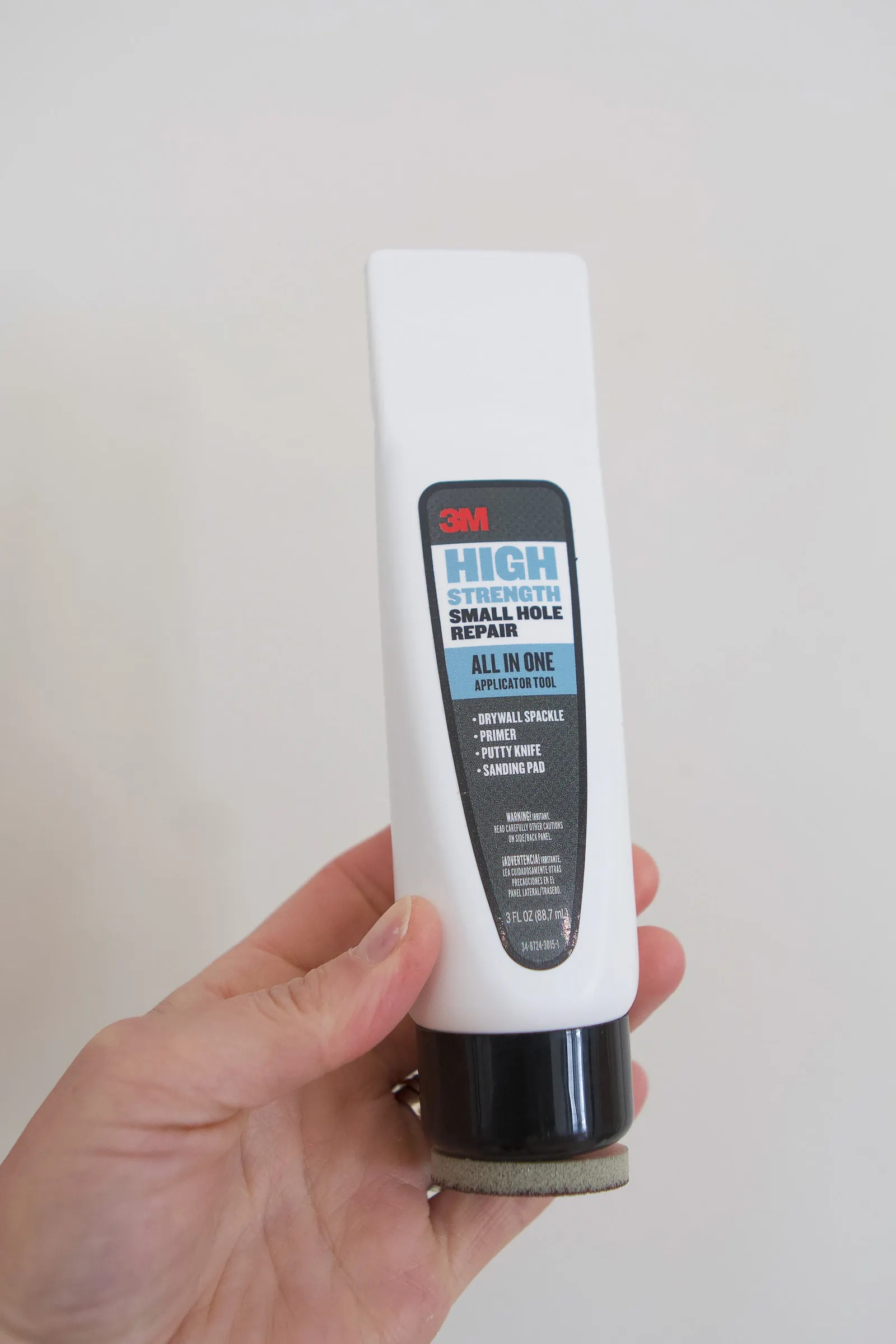
Chances are the previous owners left behind nail holes or a few wall imperfections. The good news is this is a quick fix that instantly makes your home feel more polished.
If you’re dealing with small nail holes, I have an easy tutorial that walks you through exactly how to fill and blend them. For slightly larger holes, there’s a different method to get a smooth finish—and if you’re dealing with a really big hole, I also share how to use the California patch method to repair it properly.
Check and Repair Caulk
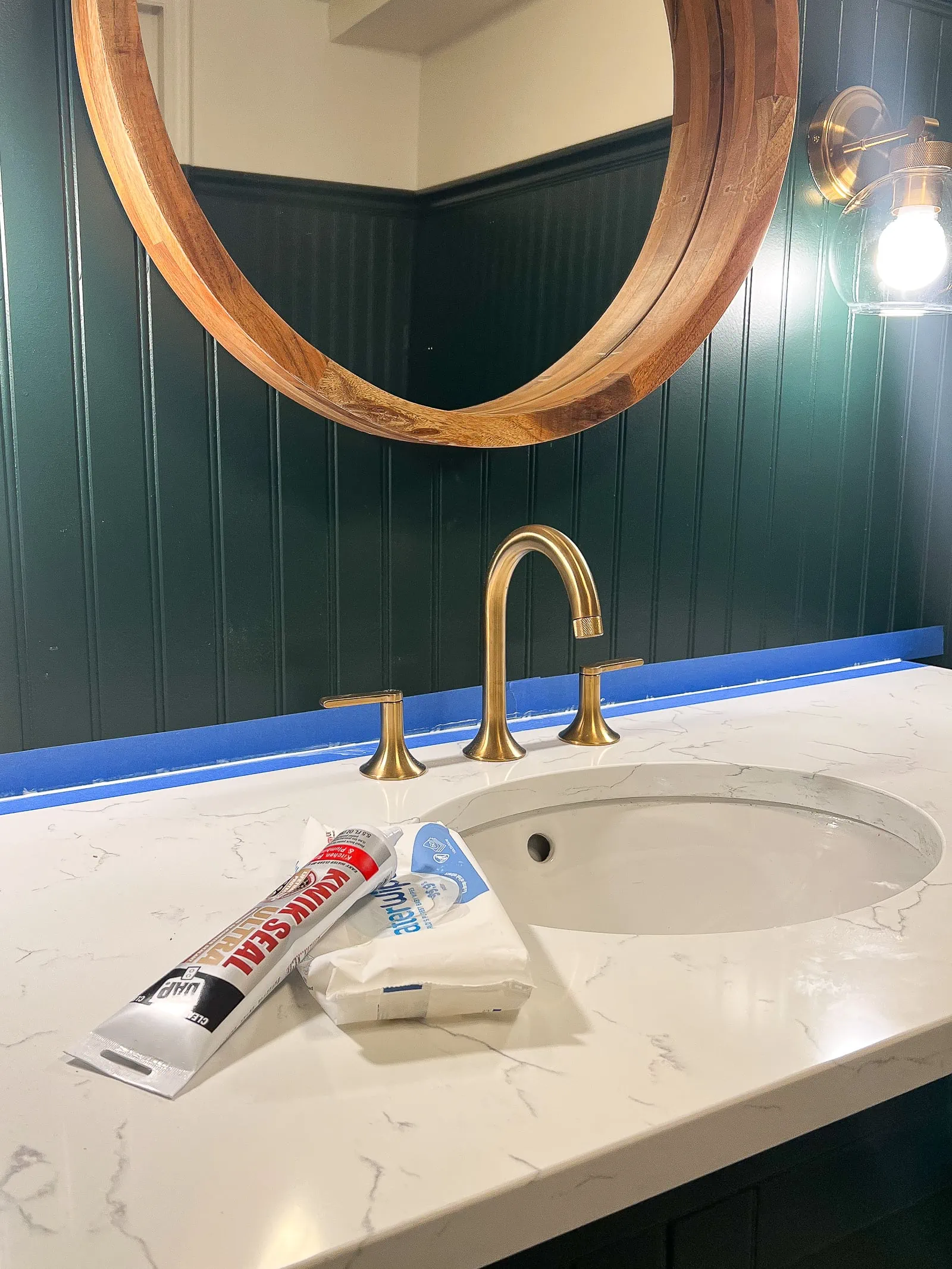
Take a look at the caulk around sinks, tubs, and backsplashes. If you notice cracking, gaps, or discoloration, it’s a good idea to fix it now to prevent water damage.
If you’re not sure where to start, my full caulking guide breaks everything down. I also have step-by-step tutorials specifically for repairing caulk along a backsplash and re-caulking around a bathtub.
Test Doors and Windows

Open and close all doors and windows to make sure everything is working smoothly. Pay attention to anything that sticks, doesn’t latch properly, or lets in drafts.
If you notice any gaps or airflow, this is a great time to add or replace weatherstripping. It’s a simple update that can improve comfort and energy efficiency right away.
Tighten Hardware and Fixtures
Go through your home and check cabinet hardware, door handles, towel bars, and light fixtures. Tighten anything that feels loose so everything is secure and functioning properly.
Start a Running List of Small Repairs
As you go through your home, keep a running list of anything that needs attention. Think minor repairs, touch-ups, or small upgrades you want to make over time. You likely started thinking about these during your home inspection, but now is a good time to revisit this list.
Having everything written down in one place makes it much easier to prioritize and tackle projects without feeling overwhelmed.

This is the week when you really start to understand how your home functions day to day—and taking care of these small fixes now will make everything feel that much more finished.
Week 4: Think Ahead (Without Doing Too Much)
By Week Four, you’ve handled the essentials and your home is starting to feel more settled. This is usually the point where your brain starts jumping ahead to bigger projects—and it’s very tempting to dive right in.
But this is where I always recommend slowing down.
Start Noticing How You Use Your Home
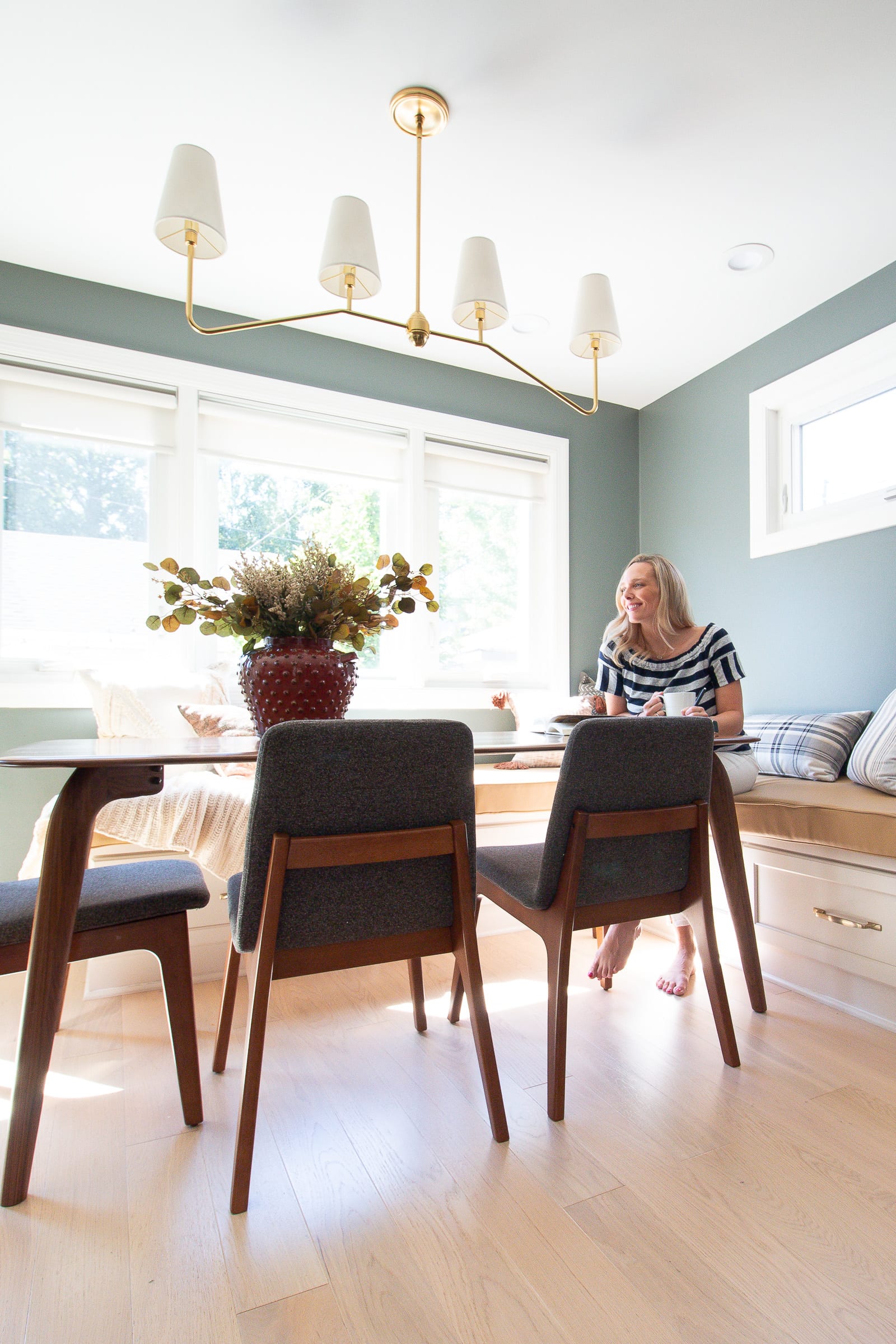
Now that you’ve lived in your space for a few weeks, pay attention to how things actually function day to day.
- What feels inconvenient?
- What would make your routines easier?
- What spaces aren’t quite working yet?
You don’t need to fix anything right away. Just start noticing.
Keep a Running List of Future Projects
Instead of jumping into renovations too quickly, start a running list of ideas for down the line. This could include:
- layout changes
- storage improvements
- cosmetic updates
- larger renovation ideas
If you’re looking for inspiration, I share a full breakdown of home improvements I recommend tackling early on—and which ones are better to wait on—in this post.
Start Gathering Your Home Information
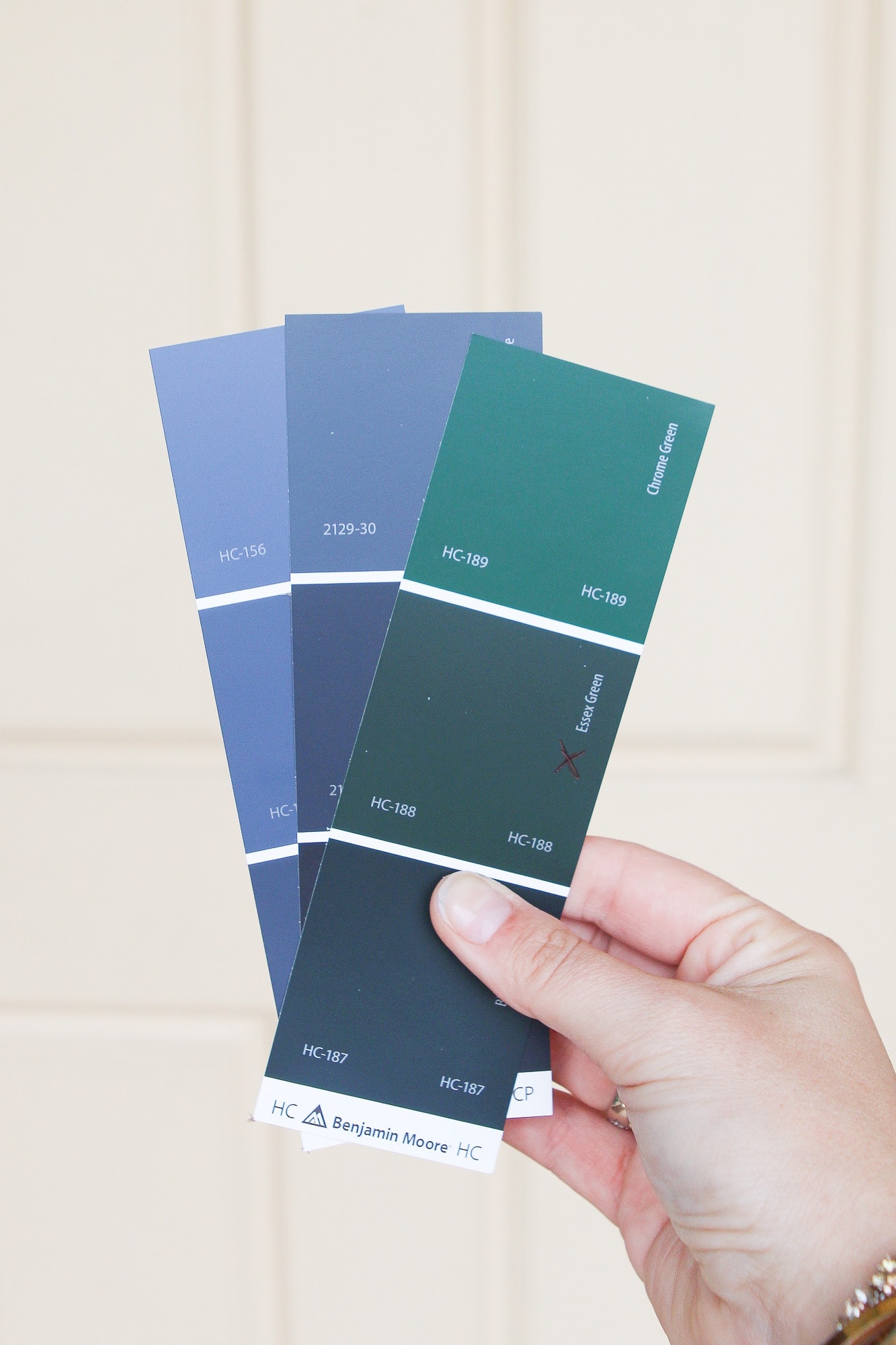
As you’re getting settled, begin collecting important details about your home in one place. Things like:
- paint colors
- appliance models
- service providers
- warranties
You don’t need a perfect system yet—but having this information written down somewhere will make things so much easier later.
This is exactly what I built Your Home Playbook around (coming January 2027)—a place to keep all of your important documents organized so you’re not scrambling to find it when you need it.
Give Yourself Permission to Wait

This is probably the most important part. It’s very easy to feel like you need to make big decisions right away—especially when you’re excited about a new home. But living in your space for a few months before making major changes will almost always lead to better decisions.
There’s a time for renovations. This just isn’t it yet.
What Can Wait (Don’t Stress About This Yet)

It’s easy to feel like you need to tackle everything right away, but you don’t. Here are a few things that are better to wait on:
- Major renovations (kitchens, bathrooms, layout changes)
- Expensive furniture purchases
- Permanent design decisions
- Built-ins or custom work
Give yourself time to live in your home and understand how you use each space before making big decisions. You’ll make smarter choices and likely save money in the process.
Final Thoughts
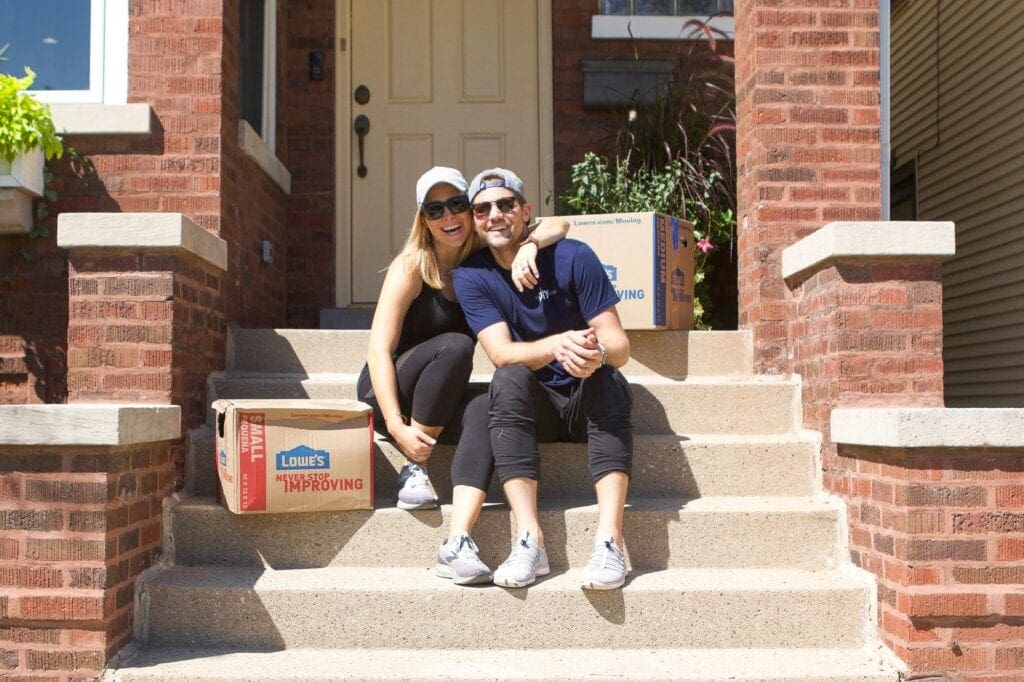
Moving into a new house is exciting, but it can also feel overwhelming when you’re not sure where to start. The good news is, you don’t need to do everything at once.

If you focus on the first 30 days and take care of the essential tasks, you’ll be in a really good place. These small steps might not be the most exciting, but they’re what set the foundation for everything that comes next.
As things start to slow down, this is when you can begin to enjoy the fun parts. Meeting your new neighbors, getting to know your new area, and settling into your routines. That’s when it really starts to feel like home.
P.S. Know someone who recently moved? Here are 15 practical housewarming gifts they’ll love.


