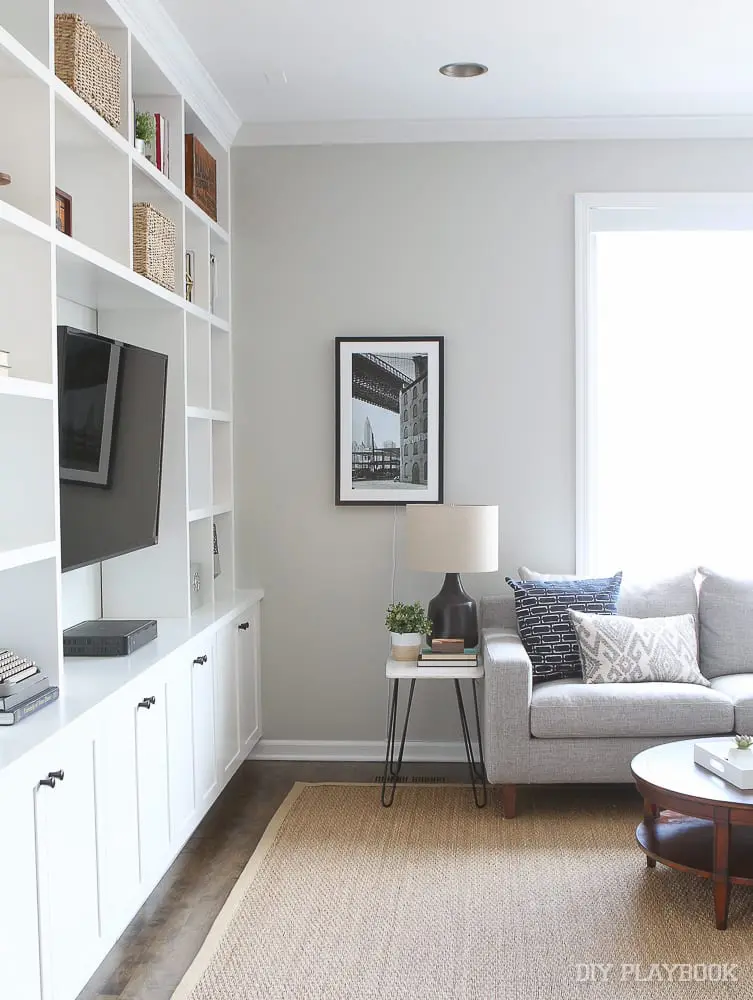
How to Choose The Best Window Treatments for Every Room
If you’ve ever stood in the blinds aisle wondering where to start, you’re not alone. This guide will help you choose the best window treatments for every room, from solar shades to curtains and everything in between.
Window treatments are one of those decisions that seem purely decorative at first, but they end up playing a big role in how your home actually functions. They help manage light, add privacy, and can completely change the feel of a room — which is why choosing the right ones can feel surprisingly overwhelming.

In our 1920s bungalow, I’ve tried a little bit of everything in our home, from simple solar shades to natural woven shades and classic curtains, layered throughout our living spaces. In this guide, I’m sharing how I think through window treatments, room by room, when I reach for certain styles over others. I also share a few of my go-to options to help make the process feel a lot more straightforward.
Window treatments can also be a real investment, so my goal here is to help you make smart, confident decisions the first time around.
How to Choose the Right Window Treatments for Your Space

Before you fall in love with a fabric or a specific style, it helps to take a step back and think about what you actually need your window treatments to do. Are you trying to block direct sunlight, add privacy, soften a room, or create a darker space for sleep?
The best window treatments aren’t just about looks — they’re about finding the right balance between function and style for the way you live in your home.
Whenever I’m choosing window treatments, I start by thinking about the purpose of the room. A bedroom might need a blackout option for better sleep, while a living room usually calls for something that filters light without making the space feel heavy. Kitchens, home offices, and dining rooms all have their own needs too, which is why you’ll see a mix of shades, curtains, and layered treatments throughout my house.
Light control, energy efficiency, and even UV protection can play a huge role in how comfortable a space feels, so thinking about the function first is often the best way to find the perfect window treatment.
Quick Window Treatment Cheat Sheet
✔ Want softness + height? Go with curtains or drapery panels.
✔ Need texture without heaviness? Natural woven shades are a great option.
✔ Looking for tailored and polished? Roman shades are an ideal choice.
✔ Dealing with harsh sunlight or glare? Solar shades offer fantastic control while keeping rooms bright.
There’s no single perfect solution — the best window treatments are the ones that match how you actually live in your home.
Best Window Treatments by Type (And Where They Work Best)
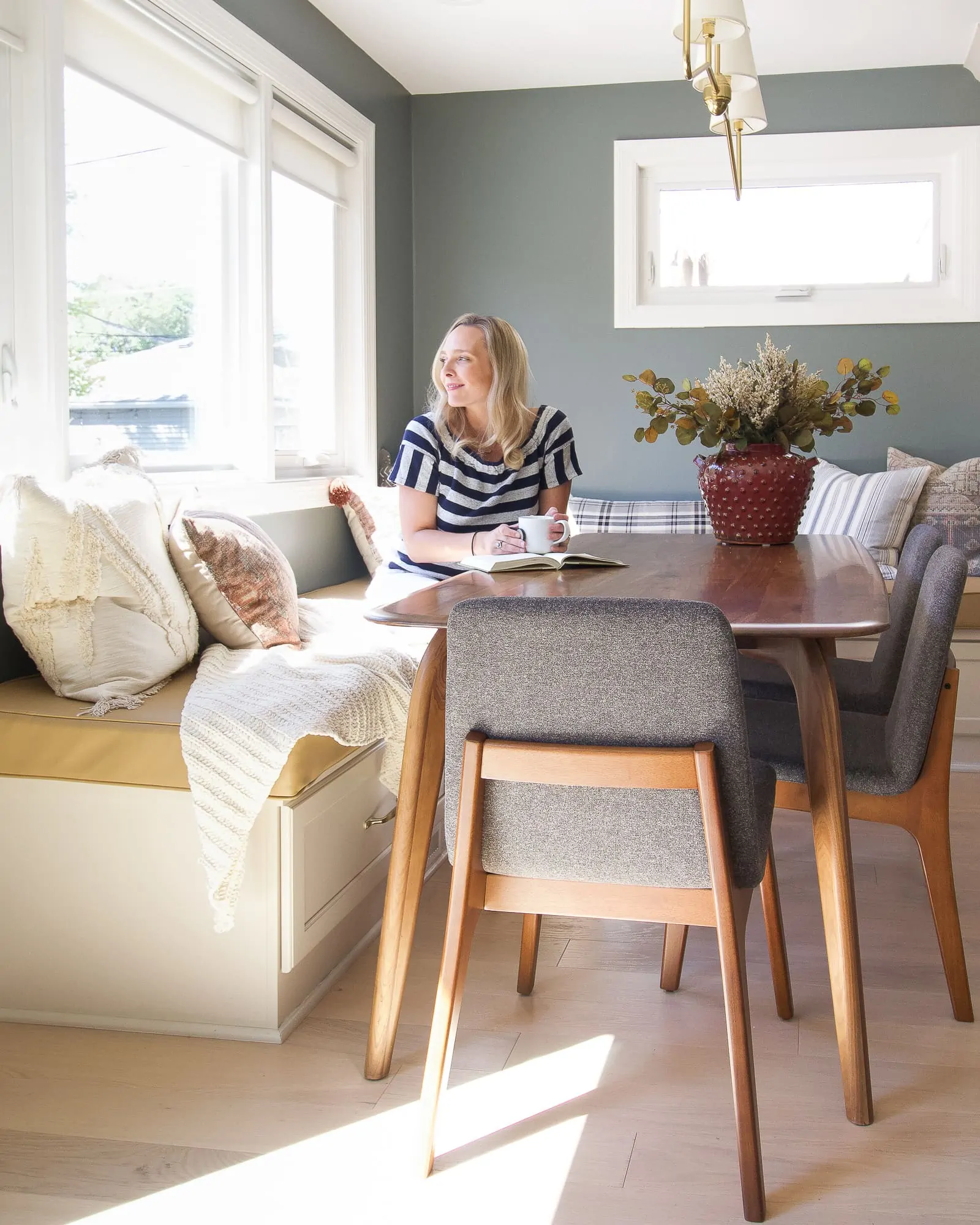
With that in mind, let’s walk through the most common types of window treatments and where they tend to work best. There’s no single “right” answer for every home, but understanding how each option functions can make it much easier to narrow down what makes sense for your space.
Roman Shades
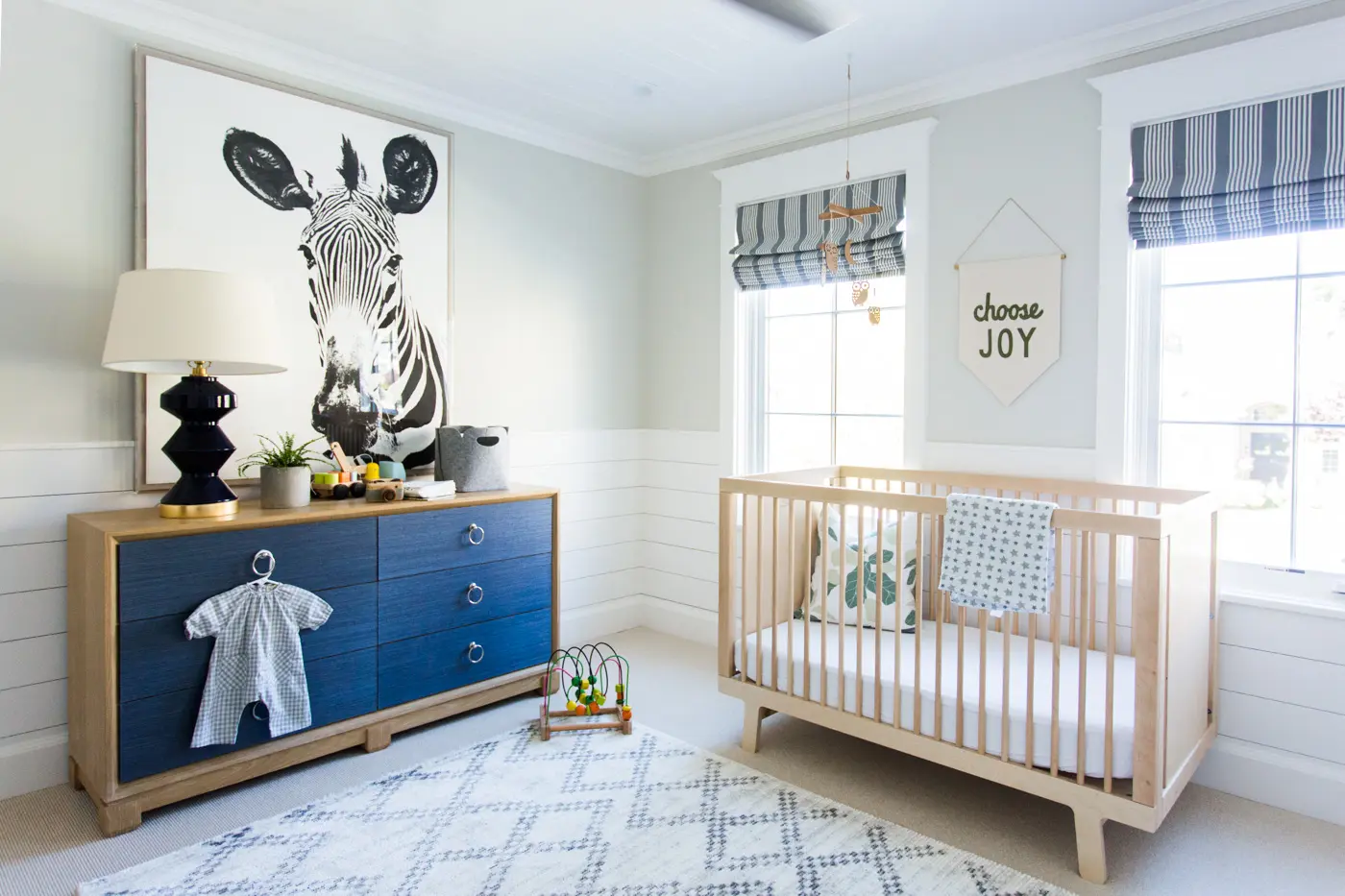
Image via Studio Studio McGee
Roman shades are one of those window treatments that sit right in the middle of function and style. They offer the softness of fabric like curtains, but they take up far less visual space, which makes them a really versatile option for a lot of different rooms. When they’re raised, they fold up neatly at the top of the window, and when they’re down, they give you a clean, tailored look without feeling too heavy.
I tend to reach for Roman shades when I want something that feels polished but still warm and approachable. That’s what I did in Rory’s room. They’re a great way to add texture or subtle pattern without overwhelming a space, especially if you already have a lot going on in the room.
Where I Typically Use Roman Shades

In my experience, Roman shades work best in rooms where curtains either don’t make sense functionally or would feel too bulky visually.
- Kitchens and dining rooms: They’re a great option above a sink or in a breakfast nook where you want something tailored that won’t get in the way of everyday use.
- Small or awkward windows: If a window sits above furniture, a radiator, or in a tight space, Roman shades are often a better choice than drapery panels. That’s what I did above Rory’s window bench in her bedroom.
- Bedrooms or nurseries: With the right lining, Roman shades can offer a good level of light control while still keeping the room feeling soft and cozy.
When I Might Choose Something Else
If I’m trying to create a really dramatic, layered look or make windows feel taller, I usually lean toward curtain panels instead. And in spaces where I want something almost invisible, like certain living room windows or a home office with a lot of sunlight, solar shades or simple pull-down shades tend to be the better fit.
Natural Woven Shades

Natural woven shades are one of my go-to window treatments when I want to add warmth and texture without making a space feel heavy. Made from materials like bamboo or grasses, they bring in an organic, relaxed feel while still keeping things neutral. I’ve used woven shades in several rooms over the years because they soften the light beautifully and work with just about any style.
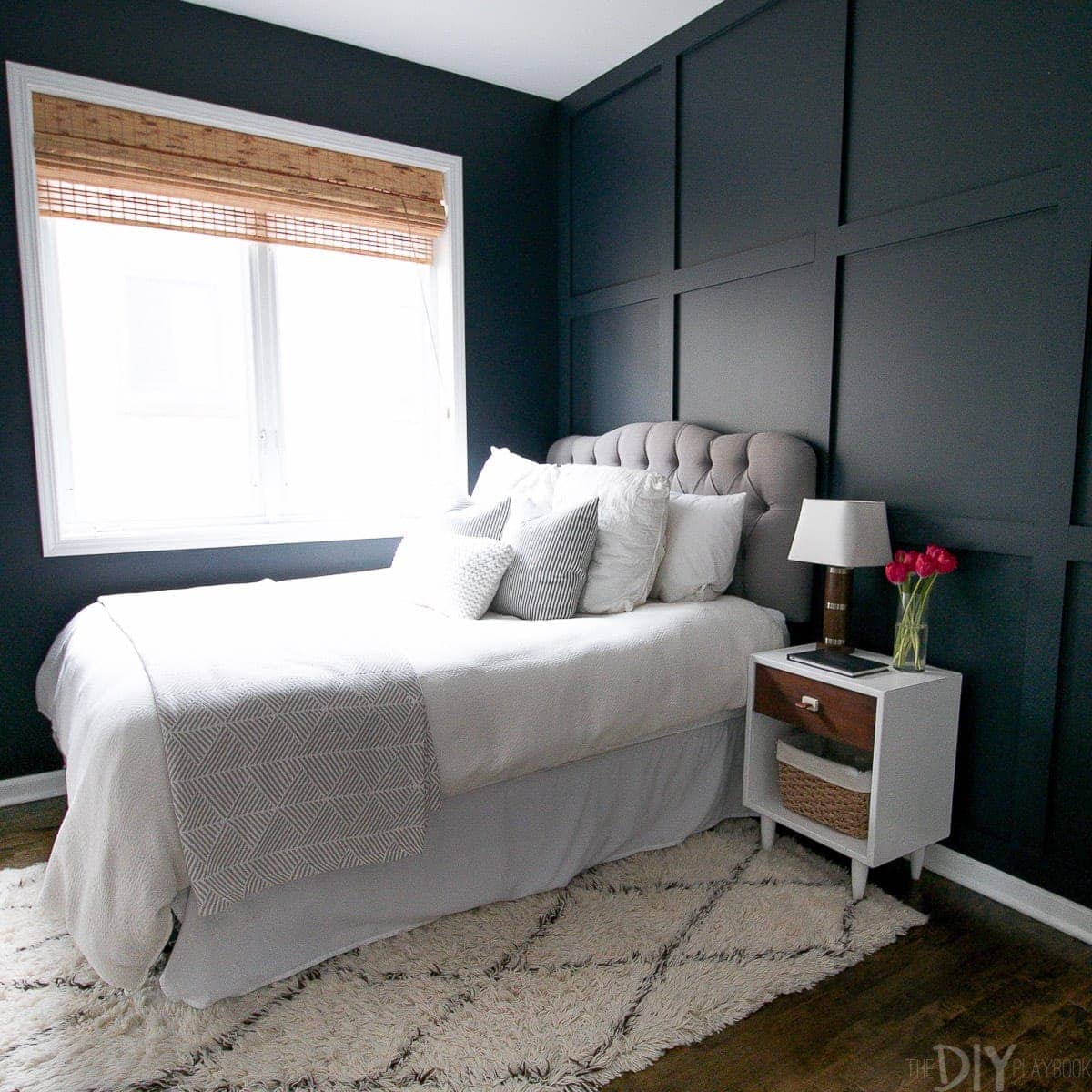
One of the things I love most about woven shades is how approachable they are from a DIY standpoint. Many styles come in standard widths, but you can often have them cut, in-store, for a more custom fit. These are my go-to at Lowe’s. And if the length isn’t quite right, I’ve shared an easy tutorial showing how to shorten bamboo shades, along with a step-by-step guide to hang them yourself.
Where I Typically Use Woven Shades
- Living rooms, bedrooms, home office: Great for adding subtle texture while still letting in natural light. They also layer really nicely with curtain panels.
- Dining rooms or smaller windows: A good option when curtains would feel too bulky or when you want something that sits close to the window.
When I Might Choose Something Else
If I need full privacy or a true blackout option, I’ll usually reach for lined Roman shades or curtains instead. And in spaces with a lot of direct sunlight, solar shades sometimes make more sense for more precise light control.
Curtains & Drapery Panels
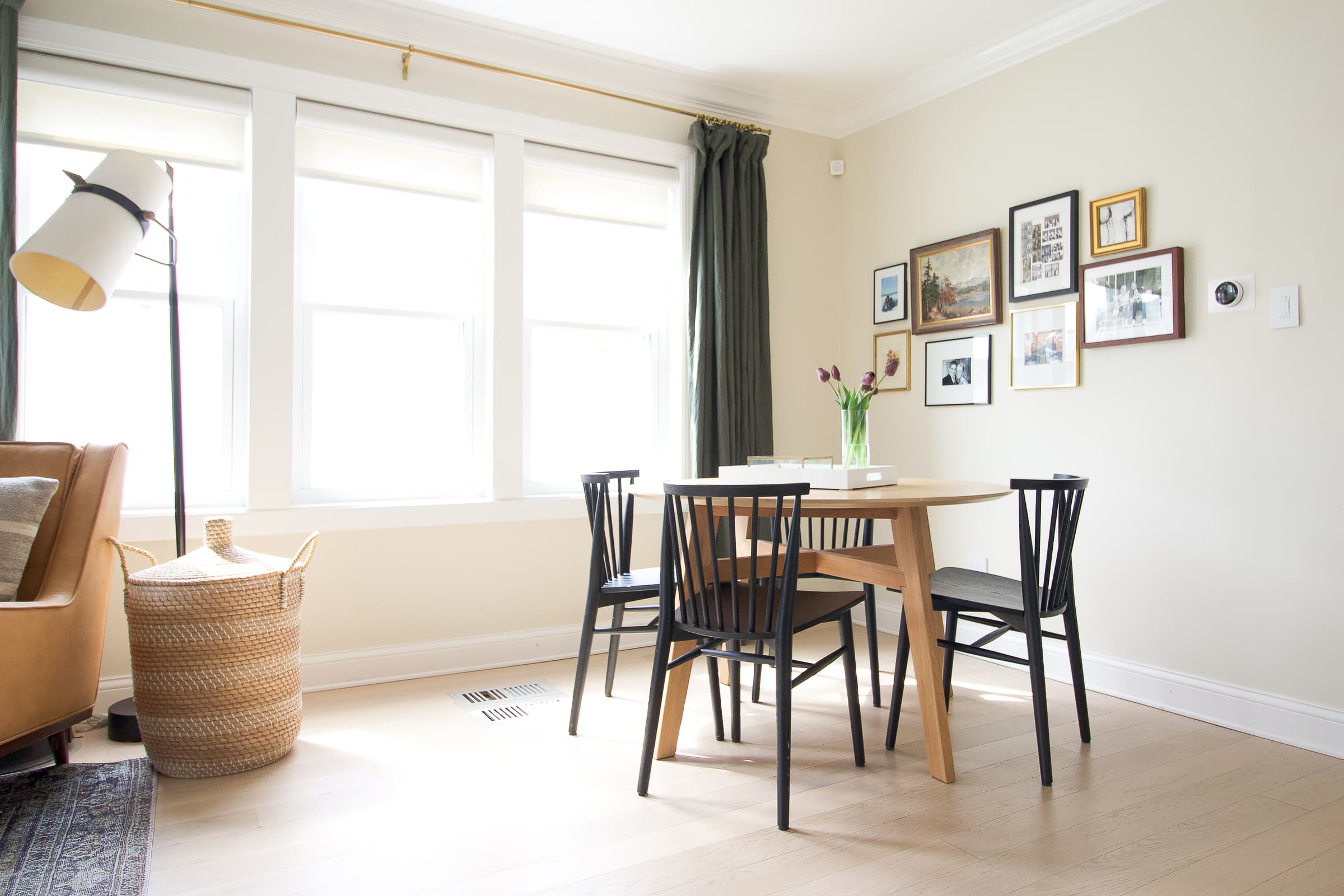
Curtains are often the first thing people think of when it comes to window treatments, and for good reason. They instantly add softness, warmth, and a finished look to a space. Whether you’re going for something airy and relaxed or more tailored and structured, curtain panels are one of the easiest ways to change the overall feel of a room.
I tend to use curtains when I want to make windows feel larger or add height to a space. Hanging them high and wide can completely change how a room looks, and it’s one of my favorite tricks for creating a more elevated, custom feel. I actually walk through all of my best tips for placement, sizing, and spacing in my post on how to make a window look bigger, because a few small adjustments can make a huge difference.
Where I Typically Use Curtains
- Living rooms and bedrooms: Curtains are great when you want a layered look or need more flexibility with light control. Sheer curtains soften natural light during the day, while heavier drapes or blackout panels help create a cozier feel at night.
- Large windows or sliding doors: When windows span a wider area, curtain panels can help unify the space and make everything feel more intentional.
- Rooms where you want more visual softness: If a space feels a little too structured or minimal, curtains can add movement and warmth without a big renovation.

If you’re installing curtain hardware yourself, I shared a full step-by-step walkthrough when I added blackout curtains in Ellis’ room. That post covers my go-to tips for mounting brackets, spacing rods, and getting everything level without overcomplicating the process.
When I Might Choose Something Else
If there’s furniture, a radiator, or a tight layout around the window, curtains aren’t always the most practical option. In those cases, I’ll usually lean toward Roman shades or pull-down shades that stay closer to the window and don’t get in the way.
Solar Shades
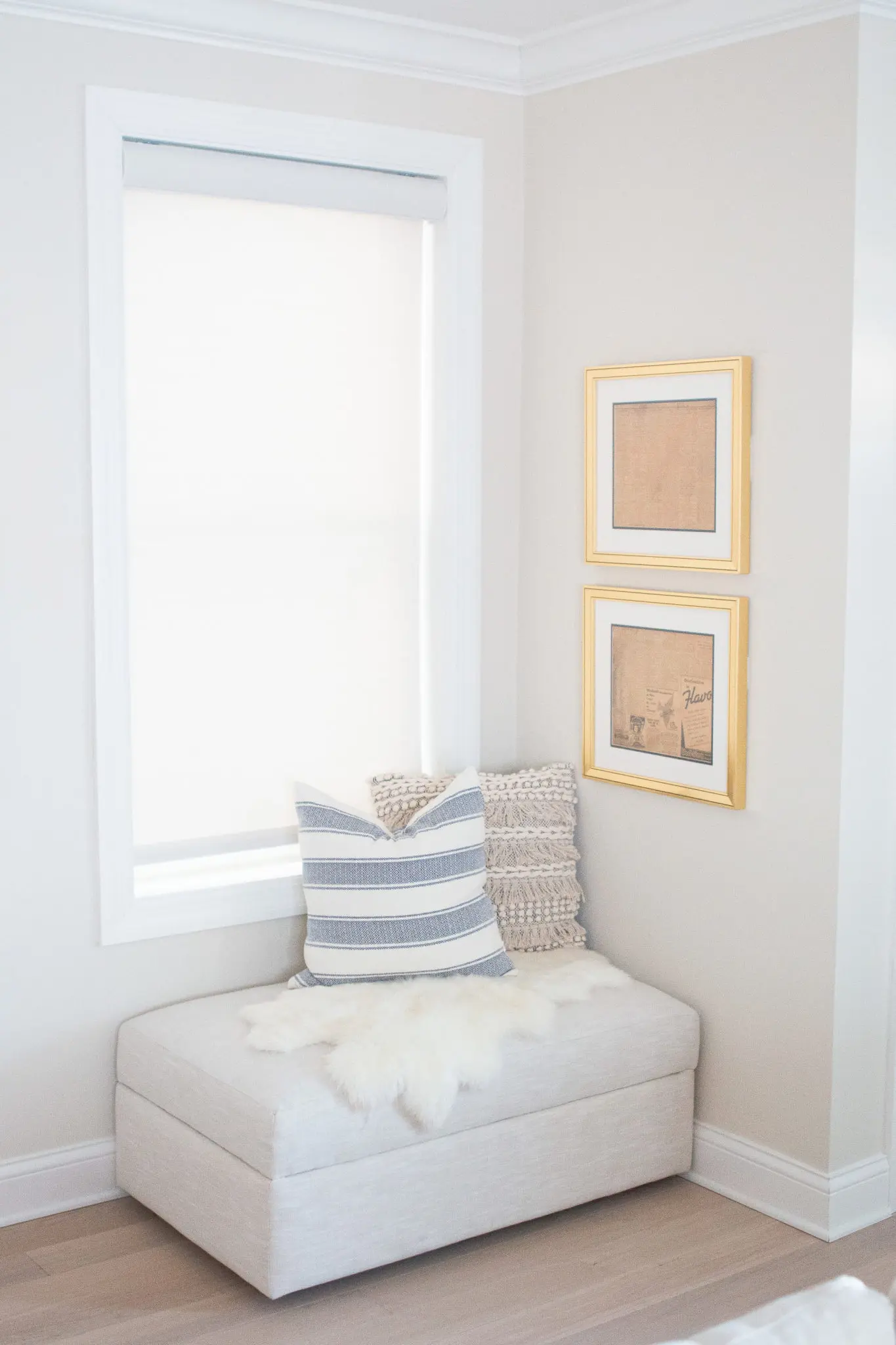
Solar shades and simple pull-down shades are often the most practical option when you want something that works hard without stealing the spotlight. They sit close to the window, offer great light control, and can almost disappear when they’re fully raised, which makes them especially useful in modern living spaces or rooms that get a lot of direct sunlight.
I tend to reach for solar shades when I want to soften harsh light without completely blocking the view outside. That’s exactly what we did in our living room, where I chose a 1% openness fabric to cut down on glare and add privacy while still letting in natural light. One thing to keep in mind is that the lower the openness percentage, the tighter the weave and the more light it filters, so it’s worth thinking about how bright you want the room to feel.
If you’re planning to install them yourself, I’ve shared a full step-by-step tutorial that walks through how I measured and installed our solar shades, along with a few tips that make the process a lot less intimidating.
Where I Typically Use Solar or Pull-Down Shades
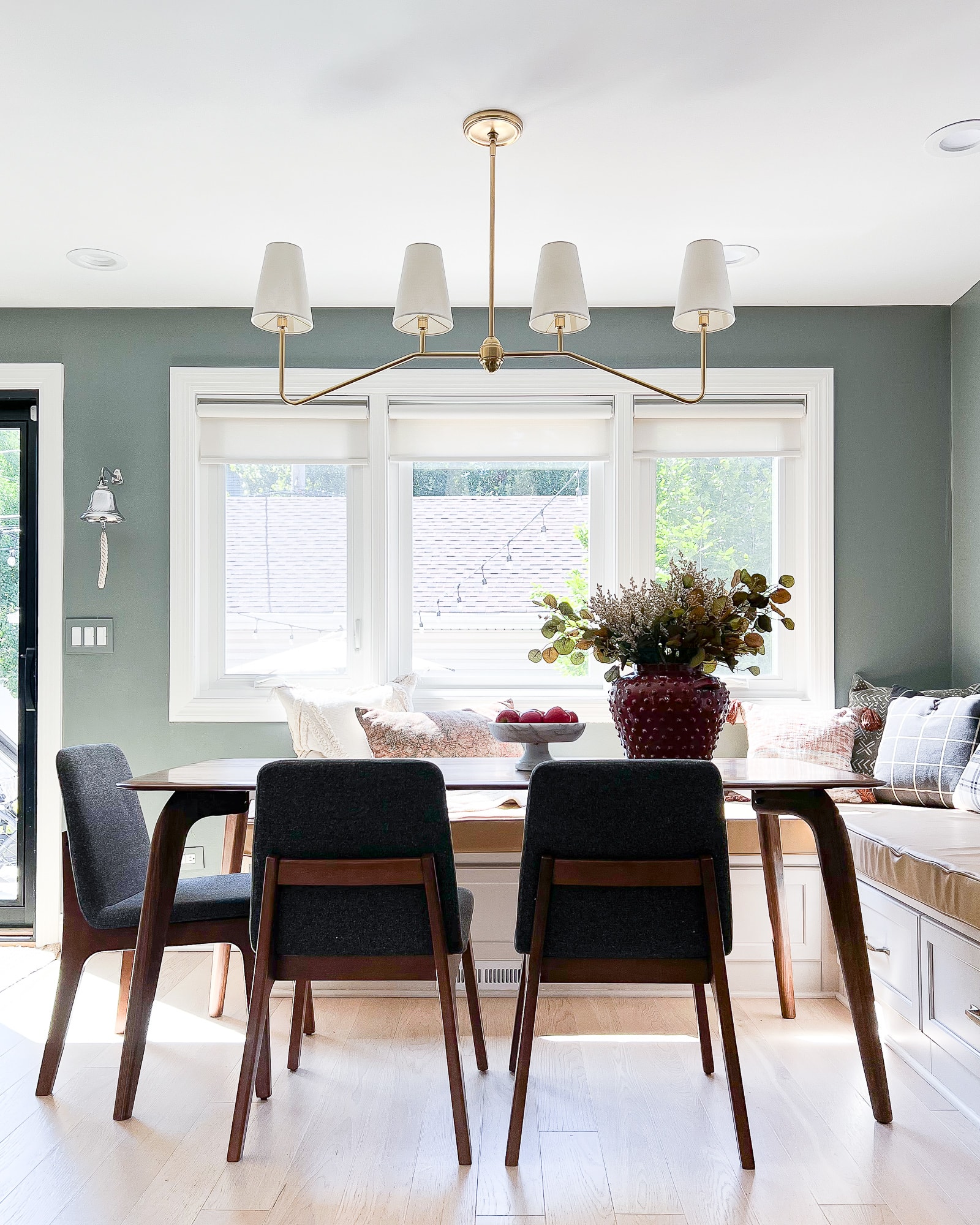
- Living rooms with lots of natural light: They help filter sunlight during the day while still keeping the room feeling airy.
- Home offices: If you’re dealing with screen glare, solar shades are a simple way to manage light levels without making the space feel heavy.
- Rooms where you want a more minimal look: Because they sit tight to the window, they’re a great option when curtains or layered treatments feel like too much.
When I Might Choose Something Else
If I’m looking to add warmth, texture, or a more decorative element, I’ll usually lean toward woven shades or curtains instead. And in bedrooms where complete darkness is the goal, blackout curtains or lined Roman shades are typically the better choice.
Of course, not every window treatment works for every home — and there are a few popular options you won’t see much in my spaces.
Window Treatments I Personally Don’t Use (And Why)
You might notice a few common window treatments missing from this guide — and that’s intentional. While they can work well in certain homes, they’re just not my personal preference.
- Wood blinds & faux wood blinds: A very common choice, but they tend to feel a little heavy visually for my style and get so dusty!
- Vertical blinds: Functional for large openings, but I usually prefer curtains or roller shades for a softer, more elevated look.
- Cellular shades: Great for energy efficiency and insulation, but I personally lean toward solar shades because they feel lighter and keep the room looking clean and minimal.
How I Combine Window Treatments Throughout My Home
One thing I’ve learned over the years is that most homes don’t rely on just one type of window treatment. Instead, I like to keep a consistent feel while choosing what works best for each space.

On our first floor, for example, we kept things cohesive by using solar shades throughout the living room and kitchen. They stay up during the day to keep the rooms feeling bright, while the olive green curtains in the living room are really there to add color, height, and personality rather than function. They’re more of a style choice.

Upstairs is where things become a little more individualized. In our bedroom, we layered a natural woven shade over the bed with blackout curtains to create a darker, more restful space at night.


The laundry room and my office both have woven shades as well, since they add warmth without feeling heavy.


In Ellis’s room, we also have woven shades. Here, we used to have blackout curtains, but once his larger bed went in, the layout just didn’t allow for them anymore. And in Rory’s room, I went with Roman shades for a softer, tailored look that fits the space perfectly.
For me, the goal isn’t to make every window match. It’s to create a balance where the treatments feel connected throughout the house while still working for how each room is actually used.
Where I Shop for Window Treatments
If you’re wondering where to actually buy all of these, here’s a quick breakdown of where I’ve personally sourced window treatments over the years. I’m also sharing a collage below with some of my favorite shades, curtains, and hardware that I’ve used throughout our home.
Lowe’s (Budget-Friendly + DIY-Friendly)
This is one of my go-to places when I want something affordable and functional. I’ve picked up woven shades and our solar shades here, and many can be cut in-store for a more custom fit, which is such a win if you’re working with standard windows.
Select Blinds (Custom Without the Custom Price Tag)
I’ve used Select Blinds for our natural woven shades, and they’re a great middle ground between big box stores and fully custom workrooms. You can customize size, openness percentage, and color without spending a fortune.
West Elm, Pottery Barn, & Rejuvenation (Curtains + Hardware)
When I want curtain panels or rods that feel a little more elevated, these are my go-to shops. I love their hardware options and fabric choices when I’m trying to create a layered, finished look.
Fully Custom Workrooms (For Specialty Spaces)
In a few rooms, like Rory’s, I’ve gone the custom route. Customizing is especially nice when dealing with unique window sizes or if you want a very specific look. It’s definitely more of an investment, but sometimes it’s the perfect solution. I’ve used Urban Workroom in Chicago, and they’re great!
Final Thoughts

At the end of the day, the best window treatments aren’t about following strict rules — they’re about creating a home that feels comfortable, functional, and true to your style. Every room has unique needs, and what works beautifully in one space might not be the best option in another.
If you’re feeling stuck, start with function first. Think about privacy, light control, and how you actually use the room. From there, you can choose the window treatment option that fits your aesthetic and layer things over time, if needed. You don’t have to get every window “perfect” on day one.

And if you’re ready to DIY the install, here are the tutorials I reference most:
- How to hang curtains to make a window look bigger
- Installing blackout curtains
- How to shorten bamboo shades
- How to hang bamboo shades
- How to install solar shades
Casey